

Quick Answer
Ultimate culinary tourism guide 2025-2026 — best food travel destinations, cooking classes, food tours, budget vs luxury culinary trips, and how to plan a food vacation.
Table of Contents
The Culinary Tourism Boom
Culinary tourism is a major and rapidly growing segment of the global travel industry, with the broader ‘experience economy’ related to food valued in the hundreds of billions. Recent market analyses project strong growth as travelers prioritize authentic, food-focused trips, though precise trillion-dollar valuations for food tourism alone are often overstated and conflated with wider hospitality spending. Modern travelers no longer see food as mere sustenance but as the primary gateway to cultural understanding.
Market Segmentation and Growth Drivers
Culinary tourism spans all price points: from budget cooking classes ($50-150) to luxury chef experiences ($5,000+). Growth across all segments demonstrates universal interest rather than just luxury market expansion.Budget cooking classes: Now more commonly $75-$200 per person for a quality 3-4 hour session.
Mid-range farm stays: Now typically $200-$700 per person per night, often with meals included.
Luxury retreats: Can easily range from $800-$3,000+ per person for multi-day curated experiences.
Types of Food Experiences: From Cooking Classes to Farm Stays
Modern culinary tourism offers diverse engagement levels, from hands-on participation to observational learning. Understanding these categories helps travelers choose experiences matching their interests and availability.
Cooking Classes and Culinary Schools
The most popular category ranges from 2-hour demonstrations to week-long intensives. Quality programs typically include market tours, hands-on instruction, and shared meals. Options exist for all budgets, with premium programs featuring renowned chefs and exclusive access.Market Tours and Food Artisan Experiences
These 3-4 hour experiences combine cultural tourism with culinary education, exploring local markets while learning about ingredient quality, seasonality, and regional specialties. Advanced tours include producer visits to olive oil mills, cheese facilities, and spice merchants.Farm Stays and Agricultural Tourism
Complete immersion in food production systems appeals to sustainability-minded travelers. Participants harvest ingredients, prepare farm-fresh meals, and learn about regenerative practices. Accommodations range from rustic to luxury, all offering authentic agricultural experiences.Top Culinary Destinations 2025-2026
These destinations combine rich culinary traditions, ingredient abundance, and established tourism infrastructure to deliver exceptional food experiences.Italy: The Culinary Tourism Pioneer
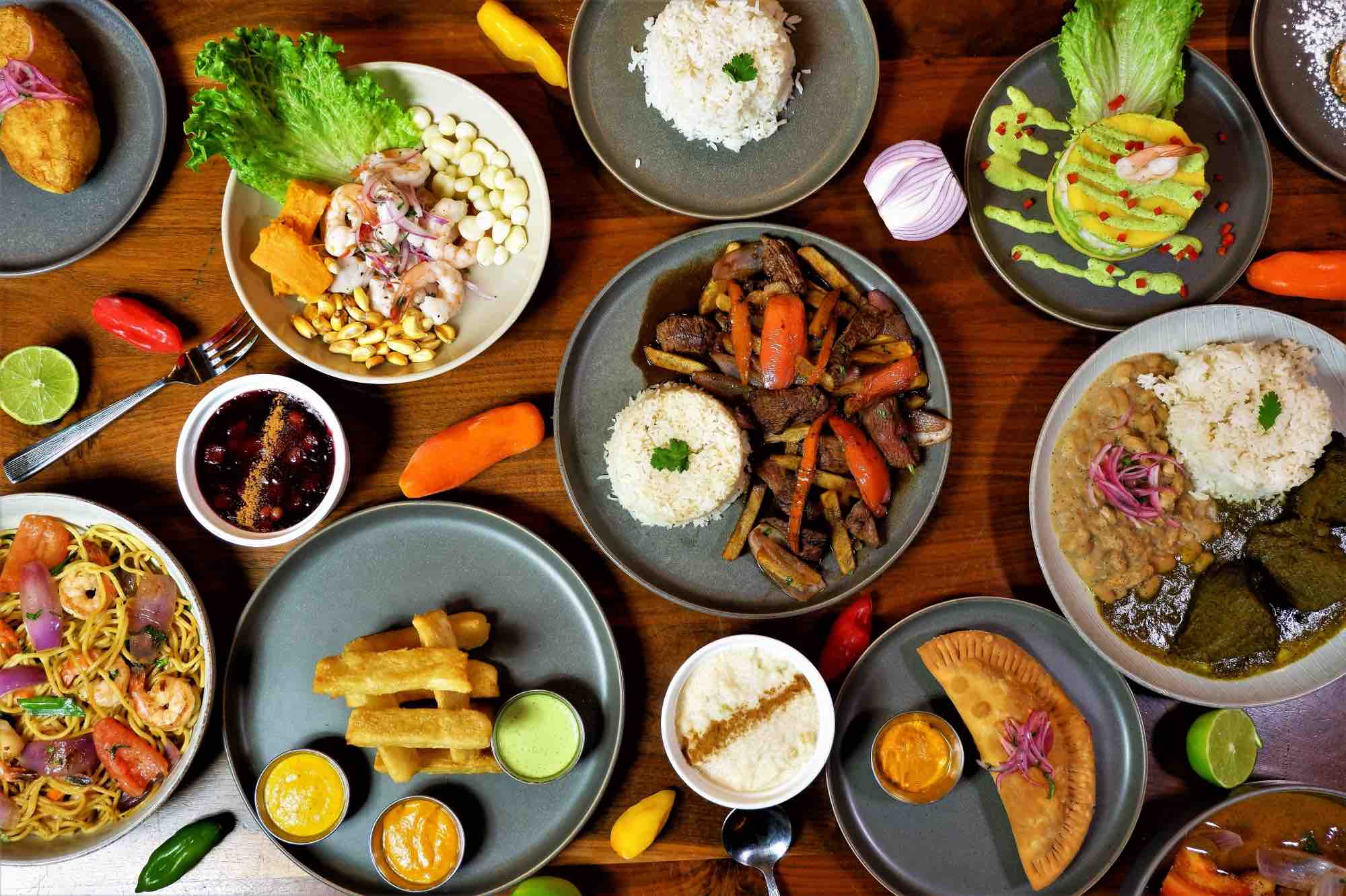
Italy remains the premier destination, particularly Tuscany and Emilia-Romagna. The concept of “campanilismo”—fierce regional pride—ensures distinct culinary traditions preserved through generations. Experiences emphasize learning from nonne (grandmothers) in intimate settings.Peru: Ancient Foodways and Modern Innovation
Thailand: Street Food and Spice Mastery
Bangkok’s street food scene, among the world’s best, provides endless learning opportunities. Thai culinary schools offer exceptional value, combining cooking education with Buddhist cultural exploration.Vietnam: Fusion Traditions

Portugal: Farm-to-Table Pioneer
An emerging destination offering authentic cuisine at lower costs than neighboring Spain or France. Experiences emphasize farm stays, village cooking classes, and seafood schools in coastal towns.India: Spice Mastery and Regional Diversity
India’s culinary diversity reflects regional, religious, and seasonal variations. Tourism ranges from spice identification classes to farm stays in spice-growing regions, emphasizing traditional preparation methods.Regenerative Dining: Ethical Food Tourism
This emerging trend focuses on food systems that actively improve environmental and social conditions, going beyond sustainability to restoration and community support.
What is Regenerative Dining?
Unlike “sustainable” practices that maintain the status quo, regenerative methods actively improve soil health, sequester carbon, and build community wealth through crop rotation, cover cropping, and minimal soil disturbance.Economic Impact on Rural Communities
Regenerative food tourism directly supports farmers implementing ecological practices, creating reciprocal relationships where travelers gain education while farmers receive economic support for maintaining traditional knowledge.Culinary Wellness Retreats: Combining Yoga & Cooking
This integrated approach recognizes food as a fundamental wellness pillar, combining cooking instruction with yoga, meditation, and nutritional education.
Ancestral Foodways & Cultural Food Experiences
This trend emphasizes learning food traditions passed through generations, often in partnership with indigenous communities and knowledge keepers.
Cultural Preservation Through Tourism
By creating economic incentives for maintaining traditional knowledge, culinary tourism helps preserve foodways threatened by modernization. These experiences feature family recipes with cultural context stories.Indigenous Food Systems
Learning indigenous food preparation, wild foraging, and preservation techniques supports communities while validating alternative food systems often dismissed by Western agricultural models.Budget Culinary Travel vs Luxury Culinary Experiences
Culinary tourism offers genuine experiences across all budget ranges, with key distinctions in personalization and access rather than authenticity.Budget ($1,000-$3,000/week): Still accurate for Southeast Asia, Eastern Europe, and parts of Latin America. In Western Europe or North America, this budget would be very tight for a dedicated culinary week.
Mid-Range ($3,000-$8,000/week): This is now the sweet spot for premium, small-group culinary tours in Europe or Japan, including better accommodations and chef access.
Luxury ($8,000-$25,000+/week): The high end is increasingly defined by hyper-personalization, private villa chefs, and access to Michelin-starred kitchen brigades or closed culinary societies.
How to Choose the Right Culinary Trip
Selecting the perfect culinary experience requires assessing personal priorities, skill level, and travel style.Skill Level Assessment
Beginners benefit from fundamentals-focused programs, while experienced cooks may prefer specialized techniques or regional cuisines.Time Commitment
Balance culinary focus with other activities—some travelers prefer all-culinary programs, while others incorporate 3-4 food experiences into broader travel.Destination Selection
Match destinations to interests: Italy for pasta techniques, Thailand for street food, Peru for ancient foodways, or India for spice mastery.Group vs. Private Programs
Group programs offer community and cost savings; private programs enable complete customization. Consider social preferences and learning style.Planning Your Culinary-Focused Vacation
Effective planning requires advance coordination, especially for popular programs with limited availability.Booking Timeline
Most programs book 2-4 months ahead; luxury or chef-led experiences often require 6-12 month advance booking.Research and Vetting
Use multiple sources: culinary travel agencies, participant reviews across platforms, instructor credentials, and transparent program details.Seasonal Considerations
Align travel with seasonal produce: berry season in Scandinavia, truffle season in Italy, or citrus season in Mediterranean regions.A significant 2025 trend not covered is “Culinary Crowdsourcing and Digital Integration.” Travelers use platforms like TikTok and Instagram not just for inspiration, but to source real-time recommendations, book last-minute supper clubs via apps, and follow hyper-local food influencers at their destination for authentic finds, bypassing traditional tour operators.
Ready to Explore Culinary Travel?
Let TSAFIR specialists design your perfect culinary adventure. Browse curated packages featuring authentic cooking classes, farm stays, and regenerative dining experiences worldwide. Browse Culinary Travel Packages Compare Cooking Class Vacations Find Farm-to-Table ExperiencesFrequently Asked Questions
What is food tourism, and why is it growing so rapidly?
Food tourism involves travel specifically to engage with cuisine and culinary traditions. It’s growing due to demand for authentic experiences, social media influence, wellness trends, and recognition of food as cultural expression—now motivating 38% of global travelers.
Do I need cooking experience to participate?
No. Most programs accommodate all skill levels, from complete beginners to experienced chefs. TSAFIR specialists can match your experience to appropriate programs.
What’s the difference between regenerative and sustainable dining?
Regenerative practices actively improve environmental conditions (soil health, carbon sequestration), while sustainable practices maintain the status quo. Regenerative dining supports ecosystem restoration.
What makes Peru an emerging culinary destination?
Peru combines ancestral ingredients with modern innovation, geographic diversity creating distinct regional cuisines, and world-class restaurants exploring biodiversity through cuisine.
How long should a culinary-focused trip last?
Depends on goals: day classes work within broader itineraries; 3-7 days enable skill development; two weeks allow deep engagement. TSAFIR designs itineraries for any timeframe.
Are culinary experiences accessible on various budgets?
Absolutely. Budget options ($1,000-3,000/week) in Thailand or Vietnam offer authentic experiences; mid-range ($3,000-8,000) adds personalization; luxury ($8,000+) provides complete customization.
How does TSAFIR help plan culinary travel?
TSAFIR specializes in curating authentic experiences aligned with interests, skill level, and budget. We maintain relationships with vetted providers worldwide and handle complex bookings.
Ready to Book Your Culinary Adventure?
Search Culinary Destination Flights | Find Food-Friendly Hotels | Browse Food Tour Packages