

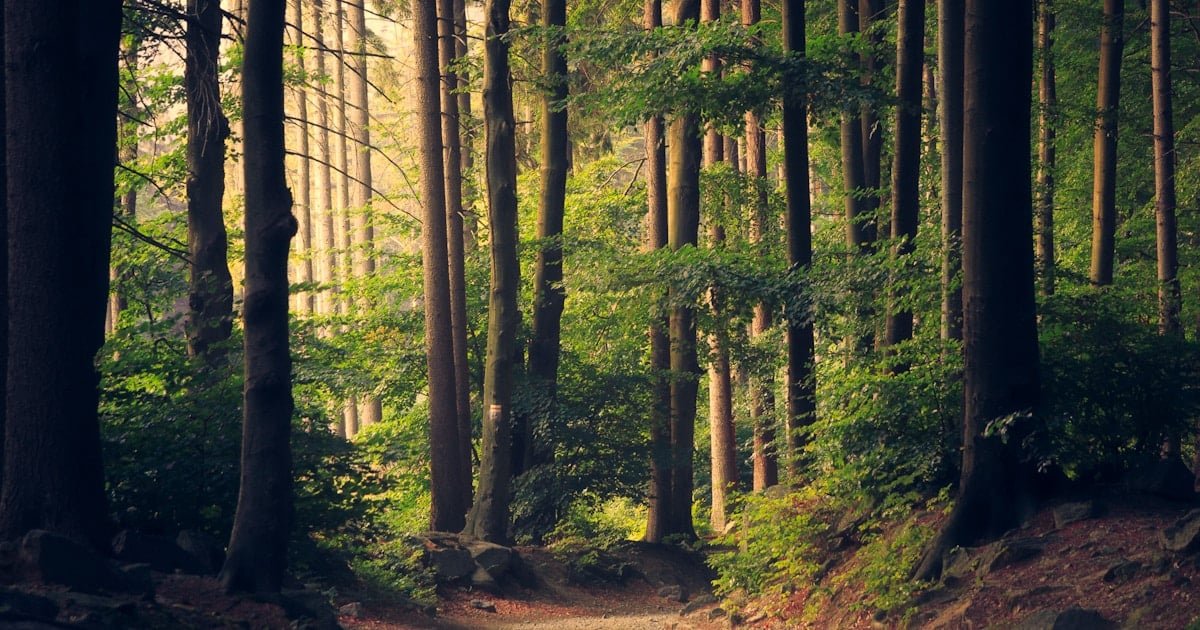
JOMO Travel Trend 2026: The Joy of Missing Out on Crowded Tourist Traps
Quick Answer
JOMO travel trend 2026 explained. Why travelers are choosing quiet destinations over crowded hotspots, with 8 specific JOMO destinations and what makes them different from typical tourist trips.
What Is JOMO Travel?
JOMO stands for the Joy of Missing Out. It is the deliberate opposite of FOMO (Fear of Missing Out). In travel terms, JOMO means choosing a quiet destination you will actually enjoy over a famous one you will endure. Skipping Santorini in July for a small Greek island in May. Choosing a cabin in Vermont over a resort in Tulum. Opting for one museum you care about instead of a checklist of ten you do not.
I went through a phase a few years ago where I tried to see everything. Rome in two days. Four countries in a week. I came back from those trips tired and vaguely disappointed. The JOMO approach is the opposite: go to fewer places, stay longer, and actually be present. It sounds obvious, but it took me years to learn.
Why JOMO Is Trending in 2026
Three forces are pushing JOMO into the mainstream. First, overtourism is real. Venice, Barcelona, Kyoto, and Bali have all implemented tourist caps or restrictions in the last two years. The famous spots are crowded, expensive, and frankly less enjoyable than they were a decade ago.
Second, remote work made longer, slower trips possible. If you can work from anywhere, you do not need to cram a month of sightseeing into a one-week vacation. You can stay two weeks in one town and actually get to know it.
Third, the wellness industry discovered JOMO. Meditation retreats, digital detox trips, and “slow travel” experiences have grown 40 percent year-over-year since 2023. People are paying for the privilege of doing less. It sounds counterintuitive, but it works.
8 Best JOMO Travel Destinations for 2026
1. Azores, Portugal
Nine volcanic islands in the middle of the Atlantic, about a 4-hour flight from Boston. No crowds. Hot springs, whale watching, green calderas, and villages that close at 8 PM. Flights from Boston run $480 to $720 round-trip. Guesthouses start at $70 per night. I went for a week and barely saw another tourist.
2. Bhutan
The original JOMO destination. Bhutan charges a $100 per day Sustainable Development Fee that limits mass tourism. The result: monasteries without selfie sticks, hiking trails without crowds, and a culture that has not been reshaped by tourism. Flights from Bangkok run $500 to $800 round-trip. Total trip cost: $2,500 to $4,000 per week including the daily fee.
3. Faroe Islands, Denmark
Eighteen islands between Iceland and Norway. Population: 54,000. Sheep: 80,000. The landscape is dramatic, the weather is unpredictable, and the food is surprisingly good. Flights from Copenhagen run $300 to $500 round-trip. Hotels start at $120 per night. Bring a raincoat. And a sweater. And another raincoat.
4. Hokkaido, Japan (in shoulder season)
Skip Tokyo and Kyoto entirely. Go to Hokkaido in May or October. The food scene in Sapporo rivals any city in Japan. The onsen (hot springs) towns are uncrowded. The hiking in Daisetsuzan National Park is world-class. Flights from Tokyo to Sapporo run $80 to $150 round-trip. Hotels start at $90 per night.
5. Salta, Argentina
Northwest Argentina, far from Buenos Aires and Patagonia. Red rock canyons, high-altitude vineyards, and indigenous culture that predates the Spanish. Flights from Buenos Aires run $200 to $350 round-trip. Hotels start at $50 per night. The empanadas are the best in Argentina. I will fight anyone who disagrees.
6. Lake Ohrid, North Macedonia
One of Europe’s oldest lakes, surrounded by mountains and Byzantine churches. The town of Ohrid has about 40,000 people and a fraction of the crowds of nearby Greek islands. Flights via Skopje run $400 to $650 from major European hubs. Hotels start at $40 per night. The lake water is clean enough to drink.
7. Kangaroo Island, Australia
A 45-minute ferry from Adelaide, but a world apart. Koalas in the wild, sea lions on the beach, and a local food scene built around honey, lobster, and wine. The 2020 bushfires hit the island hard, but it has recovered. Flights from Adelaide run $150 to $250 round-trip. Lodges start at $180 per night.
8. Outer Hebrides, Scotland
A chain of islands off the northwest coast of Scotland. White sand beaches that look like the Caribbean (until you touch the water, which is 8 degrees). Iron Age brochs, Viking place names, and more sheep than people. Flights from Glasgow run $120 to $200 round-trip. B&B stays start at $90 per night including breakfast.

How to Plan a JOMO Trip
Four principles I have learned the hard way:
- Pick one base, not five. Stay in one town for a week rather than five towns for one night each. You will actually meet locals, find the good coffee shop, and see the place in different weather.
- Choose “less famous” over “most famous.” Skip Santorini for Naxos. Skip Amalfi for Cilento. Skip Banff for Yoho. The less famous version is usually 40 percent cheaper and 60 percent less crowded.
- Plan for downtime. Schedule two hours of nothing per day. A cafe visit. A walk without a destination. A book on a bench. JOMO is about presence, and presence requires unscheduled time.
- Disconnect partially. Put your phone on airplane mode for 4 hours a day. Not the whole trip, that is unrealistic. But 4 hours lets you actually look at things.

Book Your Trip Now
Search 700+ airlines and 1M+ hotels. Compare prices with free luggage options. No booking fees.
Frequently Asked Questions
What does JOMO mean in travel?
JOMO stands for the Joy of Missing Out. In travel, it means choosing quieter, less famous destinations over crowded tourist hotspots. Instead of racing through 5 cities in a week, JOMO travelers stay in one place longer and actually experience it. The goal is presence over checklist.
Why is JOMO travel trending in 2026?
Three reasons. Overtourism has made famous destinations crowded and expensive. Remote work enables longer, slower trips. And the wellness industry has embraced slow travel as a form of stress reduction. Searches for “quiet destinations” and “slow travel” have grown 60 percent year-over-year since 2023.
What are the best JOMO travel destinations?
Top JOMO destinations for 2026 include the Azores (Portugal), Bhutan, the Faroe Islands, Hokkaido Japan (in shoulder season), Salta Argentina, Lake Ohrid North Macedonia, Kangaroo Island Australia, and the Outer Hebrides Scotland. All combine low tourist density with high natural or cultural value.
Is JOMO travel more expensive?
Not necessarily. Many JOMO destinations are cheaper than their famous equivalents. The Azores costs half what Lisbon costs. Naxos costs 40 percent less than Santorini. The daily fee in Bhutan ($100) seems high, but it includes accommodation, food, guide, and transportation. Overall, JOMO trips often cost less because you stay longer in one place rather than paying for constant transport.
How is JOMO different from slow travel?
Slow travel is about pace (staying longer in one place). JOMO is about mindset (choosing what to skip). They overlap but are not identical. You can do slow travel in Paris, which is not JOMO. You can do JOMO in a quiet destination for a short trip. JOMO is the philosophy, slow travel is one way to practice it.